Garage to Green: When Car Diagnostics Supercharges Your Golf
Today we dive into “Garage to Green: Car Diagnostics Meets Golf Training,” connecting the precision of OBD‑II scans, torque specs, and baseline logs with launch monitors, swing speed, and dispersion charts. Expect practical crossover tactics, real stories, and a friendly push to build your own garage practice bay, measure smarter, and enjoy every step from first wrench twist to crisper contact on the course.
From OBD‑II to Optimal Swing
Treat your swing like a system that can be read, logged, and refined. Instead of guessing, capture repeatable data the way a scan tool reads sensors: face‑to‑path, spin axis, tempo, pressure shift. Clear the human equivalents of fault codes using patient iteration, and allow your body’s mechanics to synchronize like a well‑tuned engine idling smoothly before opening the throttle down the fairway.
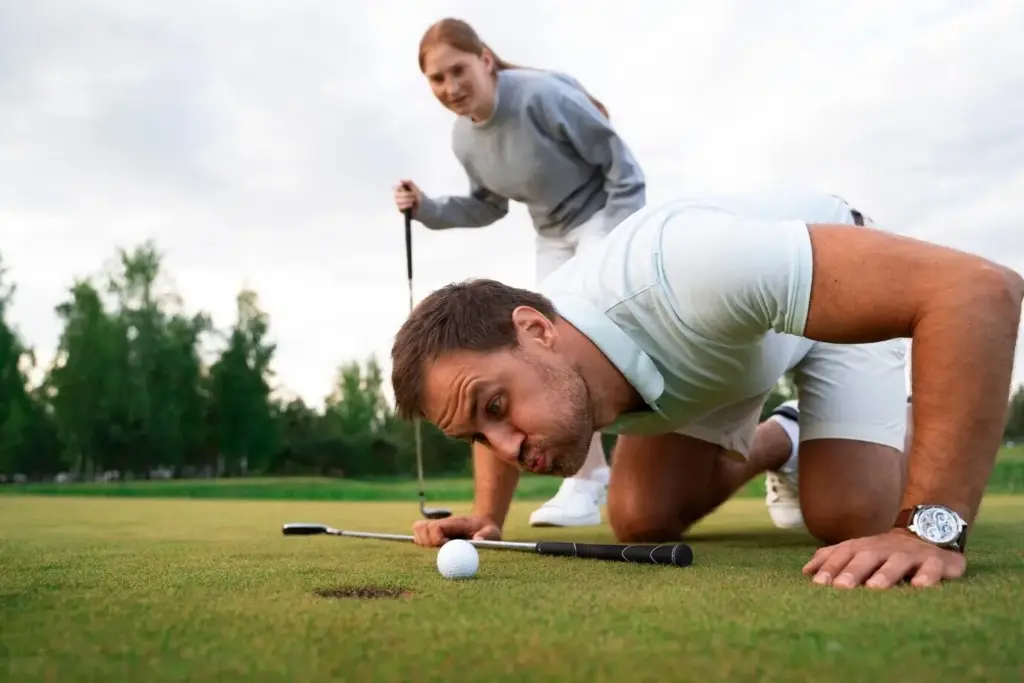
Your Hybrid Practice Bay in the Garage
Transform a corner of your garage into a reliable practice bay that welcomes short sessions after work. Prioritize safety and convenience: a trustworthy net, proper spacing, and a stance mat that preserves joints. Add a launch monitor or swing sensor, organize power cables, control lighting, and guide cameras to consistent angles. With small, smart investments, your commute to improvement becomes a few steps from the kitchen.


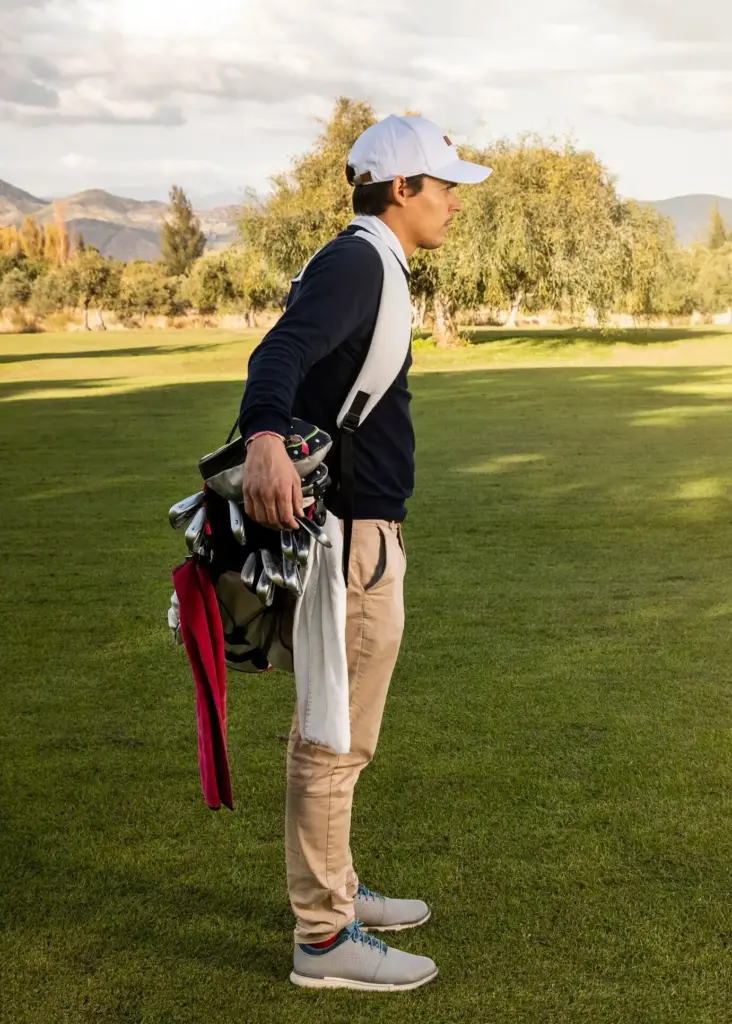
Maintenance Mindset for Training
Great mechanics follow service intervals; great golfers can thrive on structured cycles of warmup, focus blocks, and cooldown. Decide what gets attention this week—face control, contact, or speed—and meter volume intelligently. Keep a simple checklist, respect rest, and return to baselines regularly. This rhythm prevents overuse, reduces swing clutter, and rewards patience the way reliable vehicles reward steady, thoughtful care.
Stories from Wrenches and Wedges
Real experiences anchor new habits. These quick stories show how diagnostics thinking helped everyday golfers fix nagging issues without expensive overhauls. By naming patterns, isolating causes, and retesting, each player achieved a durable improvement. Let these moments spark your own experiments and encourage you to share outcomes, because our community grows sharper through transparent, supportive exchange.
The Grip That Mimicked Excess Toe‑In
A weekend player fought snap hooks that appeared only under speed. Video suggested early hand roll, but baseline data showed face‑to‑path diving negative as speed rose. Treating it like excessive toe‑in, we strengthened trail hand pressure, added a forearm rotation checkpoint, and retested. Result: neutralized face, straighter starts, and confidence under throttle. The fix stuck because the data matched the feel.
Tempo Repaired with Idle Control
Another golfer sped backswing when anxious, like an erratic idle. We introduced a metronome and counted aloud during rehearsals, then trained a deliberate transition using light resistance bands. Launch monitor dispersion tightened immediately. On course, the metronome cue became a quiet breath pattern. Controlling “idle” tempo stabilized delivery, proving that rhythm often fixes contact without mechanical overhauls or complicated compensations.
Cooling the Overheated Mind
Pressure overheated decision‑making for a league player who chased numbers mid‑round. We created a between‑shot routine: walk count, single focal cue, and one acceptance breath. Post‑round logs captured heart rate and perceived stress. In two weeks, misses clustered closer, despite unchanged swing speed. Managing mental temperature protected mechanics the way a cooling system preserves engine performance under load.
Numbers and Feel, Finally on Speaking Terms
Data without intuition feels sterile; intuition without data wanders. Unite them by translating measurements into memorable sensations: a cue for shallower attack, a breath pattern for pace, a grip pressure number paired with contact sound. Build a shared language with coaches and training partners, and celebrate small, verified wins. Precision should amplify joy, not smother it beneath spreadsheets.
Trust Readings Without Chasing Noise
Launch monitors occasionally spike odd numbers, just as a flaky sensor throws intermittent codes. Validate trends over sets, not swings. If five of seven shots move the same direction with similar spin, you have signal. Log averages, standard deviations, and video snapshots. This approach protects your sanity, respects feel, and keeps week‑to‑week comparisons meaningful and actionable.
Change One Variable Like a Pro Mechanic
When diagnosing, professionals alter a single element to isolate cause. Do the same with grip, ball position, or stance width, and keep club and ball type constant. Tag each set clearly, hit a minimum viable sample, and freeze the winner. You’ll escape the fog of multiple simultaneous tweaks and actually feel how a precise adjustment reshapes ball flight reliably.
Coach Collaboration Through Shared Logs
Bring concise charts, swing clips, and session notes to lessons so a coach sees context immediately. Agree on metrics for the next micro‑goal, define checks you’ll perform at home, and schedule a brief follow‑up message to confirm transfer. That transparency shortens learning cycles and keeps everyone aligned, transforming lessons from isolated events into a coherent, forward‑moving partnership.

Sustainable Care: Clubs, Cables, and the Course
Mechanical empathy extends to gear and environment. Clean grooves, check ferrules, protect shafts, and store electronics where batteries stay healthy. Reuse balls for drills wisely, recycle packaging, and avoid needless consumables. On the course, repair divots, respect pace, and minimize cart idling. Thoughtful habits lower costs, raise reliability, and keep your favorite practice spaces welcoming for friends and family.
Join the Garage‑to‑Green Crew
Let’s build a supportive circle that shares builds, drills, and honest before‑after evidence. Post your bay photos, list your sensors, and describe what finally solved a stubborn miss. Subscribe for monthly challenges, reply with questions, and invite friends who love data and feel equally. Together we can turn curious tinkering into confident swings and more laughter on every fairway.


All Rights Reserved.