Let Impact Speak: NVH for Smarter Golf Training
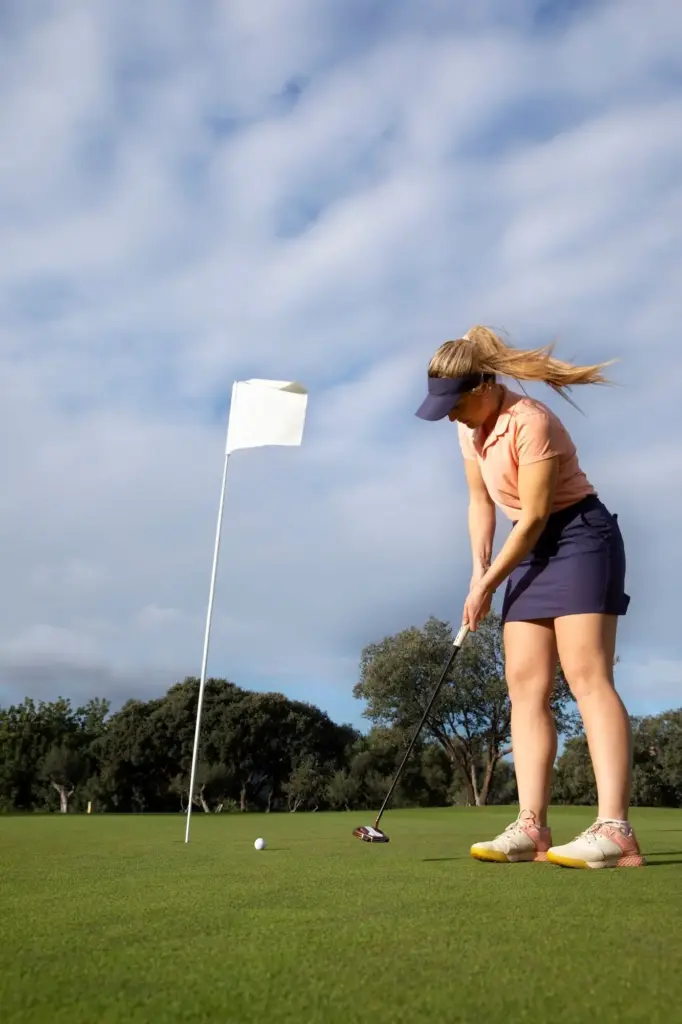
Today we explore how NVH analysis can refine the way golfers hear and feel impact, turning sound and vibration into actionable coaching signals. Using microphones, accelerometers, and psychoacoustic metrics, you will capture cleaner data, interpret patterns, and design drills that accelerate learning, confidence, and consistency across range sessions and on-course decisions. Whether you coach elites or practice alone, this guide connects club acoustics, handle vibration, and human perception with practical setup tips, examples, and community invitations to share recordings, compare results, and subscribe for deeper breakdowns and new drills.

Memory builds on milliseconds

Effective feedback must arrive within the fleeting window where the brain binds cause and effect. High-speed audio and accelerometer traces preserve those first milliseconds after contact, letting coaches point to precise signatures and help players link feel, sound, and movement adjustments instantly.

From pleasant crack to dull thud

A centered strike often carries higher spectral centroid, rising sharpness, and cleaner decay, while a heavy hit shows excess low-frequency energy and roughness. Mapping these psychoacoustic patterns to simple language empowers athletes to self-correct, chase a desirable “crack,” and avoid the muted, effortful feel that steals distance.

Vibration as a coach in your hands

Handle acceleration exposes face contact location, shaft loading, and how shock travels through the grip. By comparing peak g, crest factor, and damping time across attempts, players notice which swings feel stable, which sting, and which quietly verify efficiency without fanfare or tension.

Measurement Toolkit for Reliable NVH Capture
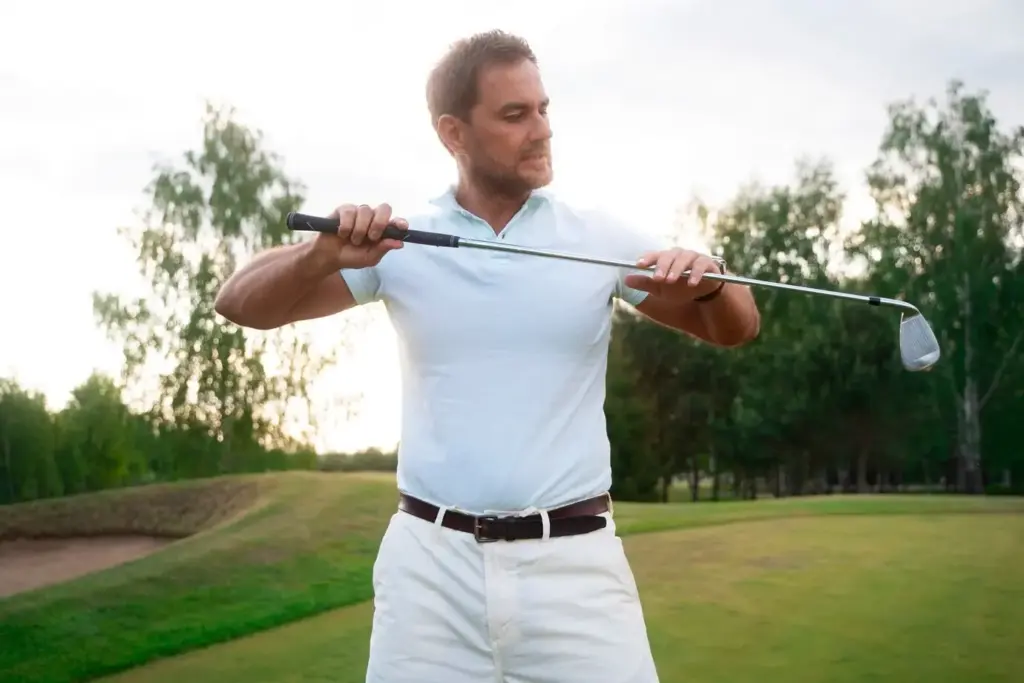
Reliable NVH capture begins with repeatable positioning, adequate sampling rates, and thoughtful control of environmental noise. Choose microphones and accelerometers that tolerate high sound pressure and shock, fix mounting mass carefully, document ball and club variability, and calibrate levels so session-to-session comparisons remain trustworthy and actionable for coaching decisions.

Microphones that hear what golfers hear

Use a compact, high-SPL condenser or dynamic microphone positioned near the ball–club interaction plane, angled to minimize wind turbulence and reflected echoes. Record at 48–96 kHz with secure windscreens, and keep placement consistent, so spectral differences reflect strike quality, not chaotic environmental artifacts.

Accelerometers and IMUs on the club

Mount a lightweight tri-axial accelerometer close to the hosel or shaft midpoint with rigid adhesive or clamp, staying below two grams to avoid altering swing feel. Sample above 2 kHz, implement anti-alias filtration, and validate that cables, tape, and sensors do not rattle during transition.

Signal Processing that Reveals Strike Quality

Raw waveforms rarely tell the whole story. By applying short-time Fourier transforms, wavelets, and well-chosen filters, you isolate the critical impact window, extract psychoacoustic and mechanical features, and build models that link sound and feel scores with strike location, delivered loft, speed, and dispersion outcomes.

Time–frequency views

Use STFT with overlapping windows to reveal attack, resonance, and decay, then complement with wavelets for transient detection. Focus on 1–6 kHz bands that carry crispness, while tracking sub-kilohertz energy linked to heavy contact, turf interaction, and face-to-path mismatches.

Psychoacoustic metrics that correlate with skill

Compute Zwicker loudness, sharpness, roughness, and tonality, then compare against expert ratings of pleasantness and perceived quality. When players hear a brighter crack without harshness and see consistent metrics, they trust progress, reduce compensations, and repeat efficient swings with calmer tempo.

Design Levers: Club, Ball, and Surface

Clubhead acoustics without gimmicks

Strategic ribs and variable-thickness faces shift modes upward, adding clarity without violating performance constraints. Validate with impulse hammer tests and simulations, and listen in the bay with players, confirming the brighter, quicker sound corresponds to cleaner contact and improved ball flight consistency across sessions.

Shafts and grips as vibration filters

Strategic ribs and variable-thickness faces shift modes upward, adding clarity without violating performance constraints. Validate with impulse hammer tests and simulations, and listen in the bay with players, confirming the brighter, quicker sound corresponds to cleaner contact and improved ball flight consistency across sessions.

Ball and turf interactions

Strategic ribs and variable-thickness faces shift modes upward, adding clarity without violating performance constraints. Validate with impulse hammer tests and simulations, and listen in the bay with players, confirming the brighter, quicker sound corresponds to cleaner contact and improved ball flight consistency across sessions.

Coaching Applications and Practice Design
Training plans become stickier when sound and feel guide decisions. Build sessions where players predict the resulting audio and vibration, then compare predictions with live data. Keep metrics simple, protect hearing, and create fun challenges that encourage sharing recordings, friendly leaderboards, and thoughtful comments that help everyone learn faster.

Drills that train ears and hands

Try a center-strike game: close eyes after address, swing at seventy percent, then grade the sound before peeking at contact tape and vibration peaks. Repeat through trajectories and clubs, rewarding accurate predictions. Confidence grows when hearing, hands, and ball flight line up repeatedly without guesswork.

Simple metrics golfers actually use

Present a small scoreboard with centeredness percentage, estimated sharpness range, and handle peak g, color-coded for clarity. Hide advanced pages by default. Athletes should finish practice able to describe the feel in plain words and match that description to numbers reliably next time.

From range to course transfer

Pressure changes perception. Rehearse pre-shot routines that include a brief auditory memory cue, like recalling yesterday’s crisp five-iron sound, then match tempo and intent. Use conservative targets early in rounds, letting familiar vibrations reappear and anchor decision-making before ramping up aggression.

Case Study and Implementation Roadmap

Blending NVH analysis into everyday coaching is achievable with modest equipment and clear workflow. Start with baselines, build simple dashboards, and test drills with a small group. As results accumulate, share anonymized comparisons, invite reader submissions, and subscribe for seasonal updates, featuring new features, datasets, and collaborative experiments.
Hexoluntravixpio
Privacy Overview

This website uses cookies so that we can provide you with the best user experience possible. Cookie information is stored in your browser and performs functions such as recognising you when you return to our website and helping our team to understand which sections of the website you find most interesting and useful.