From Dashboards to Fairways: OBD‑II Thinking for a Smarter Golf Swing

Join us as we apply proven OBD‑II diagnostic frameworks to golf swing analysis, translating trouble codes, live data, and readiness monitors into practical insights you can feel on the range. We’ll turn complex telemetry into clear actions, helping you diagnose misses faster, practice smarter, and play with confident consistency. Share your findings, comment with anomalies you want decoded, and subscribe for new drills inspired by this diagnostic approach.

Decoding Faults: Mapping Error Codes to Swing Patterns

Automotive diagnostics thrive on structured fault codes and snapshots that reveal context. By crafting a code system for common misses—push, pull, slice, hook—we capture the moment of failure with measurable details, speeding root‑cause analysis and aligning coach intuition with objective, repeatable evidence.

Live Data PIDs: Streaming the Kinematic Chain

Modeled after OBD‑II parameter IDs, your swing can broadcast continuous fields that matter: tempo ratio, backswing length, wrist hinge, pelvis rotation, trail‑arm external rotation, shaft lean, dynamic loft, and face‑to‑path. Reliable streams enable trend detection, cross‑checks, and coaching interventions precisely when they count.

Readiness Monitors: Confidence Before Contact

Just as vehicles report readiness for inspection, golfers can verify key pre‑swing conditions before testing changes at full speed. Monitors for grip pressure, alignment, ball position, and stance width ensure foundational checks pass consistently, turning uncertainty into reliable start‑lines and predictable contact under tournament nerves.

Choosing Monitors that Matter

Start with three that predict ball flight: face aim relative to target, shoulders relative to feet, and spine tilt relative to ball position. When these pass, almost everything else becomes easier, and your coaching time shifts from firefighting to intentional, structured improvement with repeatable drills.

Practice Drive Cycles

Create a standardized loop that includes slow rehearsals, half‑speed pitches, and full swings, repeating until monitors pass three consecutive times. Borrowing from emissions drive cycles, this structure builds trust, reduces randomness, and ensures new mechanics survive pressure rather than collapsing during the first pressure tee shot.

Pass, Incomplete, or Not Ready

Label each monitor explicitly to prevent vague feedback. If alignment is incomplete, pause and correct before proceeding. If not ready because wind or lie changed assumptions, update your plan. Clear states remove blame, accelerate learning, and help teammates or coaches support you with shared language.
Diagnostic Modes: A Workflow for Clarity

Borrow the logic of modes to guide actions. Gather live data, retrieve stored faults, test subsystems, and clear stale codes after confirmed fixes. This cadence prevents overfitting, documents experiments, and teaches athletes to think like engineers while keeping joy, creativity, and personal style intact.
Start with an intake pass that records symptoms and expectations, then pull recent codes and snapshots. Next, run targeted subsystem tests—grip, stance, transition—before applying a fix and rechecking live data. End by clearing resolved codes, writing notes, and scheduling a small, realistic retest window.
Translate recurring patterns into flowcharts that direct the next question automatically. If face‑to‑path exceeds threshold, test grip and wrist angles before changing path. If low‑point control fails, stabilize posture and pressure shift first. These trees conserve energy and create teachable, confidence‑building practice days.

Sensor Fusion: Cameras, Radars, and Wearables Working Together
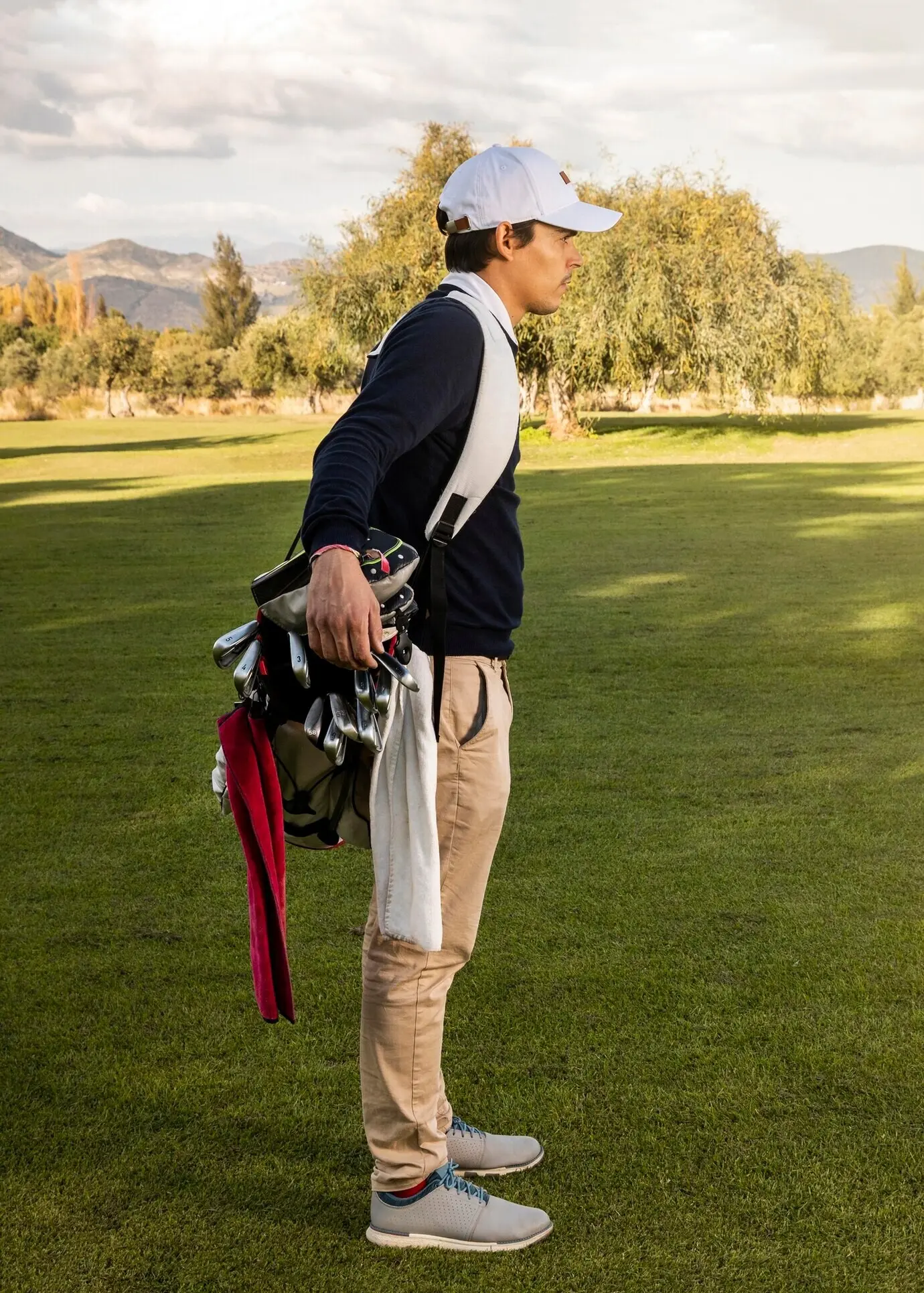
No single device tells the whole story. Blend high‑speed video for face angle, radar for speed and spin, and inertial wearables for sequencing. Calibrate coordinate systems, align clocks, and validate against ball flight. Integration unlocks insight, exposes contradictions gracefully, and protects you from expensive gadget fatigue.

Calibration that Earns Trust

Use a simple checkerboard, alignment sticks, or a level to confirm camera angles, then verify radar tilt and height. Compare outputs on known rehearsals. When numbers agree, confidence blossoms; when they disagree, you learn precisely where uncertainty lives, and what to fix before drawing conclusions.

Features that Reflect Ball Flight

Engineer features that map directly to what the ball does. Instead of abstract scores, track face‑to‑path, dynamic loft, strike location, and speed delivered. These variables speak the language of trajectory, curvature, and distance, making coaching conversations practical, honest, and immediately applicable on the next swing.

Interpretable Models over Black Boxes

Prefer transparent rules and small models that explain why a shot curved rather than opaque scores that simply judge. Decision rules, thresholds, and examples empower athletes to self‑coach between lessons, accelerating progress without sacrificing curiosity, creativity, or the timeless joy of purely struck shots.

Feedback Loops: Turning Codes into Better Shots

Data only matters when it changes behavior. Translate findings into one clear rehearsal, one checkpoint, and one ball‑flight goal. Celebrate confirmations, log what worked, and schedule small follow‑ups. This respectful cadence keeps motivation high, stories personal, and improvements robust under the weekend spotlight.

Interfaces that Coach, Not Confuse

Design displays that surface just the next action, with gentle color cues and optional detail. Offer audio cues for tempo and haptics for grip pressure instead of dense numbers. By removing clutter, you help focus attention where it belongs—on rhythm, contact, and confidence.

Micro‑Goals and Habit Loops

Set tiny commitments: three smooth rehearsals, one soft exhale, specific start‑line. Tie them to triggers like glove closure or waggle. Reward with a quiet breath and a logged green check. The loop builds identity, converting diagnostic insight into automatic, trustworthy actions under real pressure.

Stories from the Range

Last summer, a teacher tagged a recurring G311 after‑impact flip with open face. Two sessions later, freeze‑frame showed neutral wrists and improved strike. The player cried happy tears, not for technology, but for the feeling of finally owning a ball flight on demand.

Hexoluntravixpio
Privacy Overview

This website uses cookies so that we can provide you with the best user experience possible. Cookie information is stored in your browser and performs functions such as recognising you when you return to our website and helping our team to understand which sections of the website you find most interesting and useful.